Method 01
Selective picking
An intensive, skilled process — only ripe cherries picked by hand, used for the finer Arabica beans. Even the best pickers take a small share of under-ripes, which our sorting removes.

From the tree
An intensive, skilled process — only ripe cherries picked by hand, used for the finer Arabica beans. Even the best pickers take a small share of under-ripes, which our sorting removes.
The whole branch is stripped at once onto polythene sheets — fast and suited to high-volume lots of both Arabica and Robusta destined for mass consumption.
Not possible on steep hillside farms, but workable on Uganda's flatter land — tools harvest ripe and unripe cherries together for later sorting.
To the bean
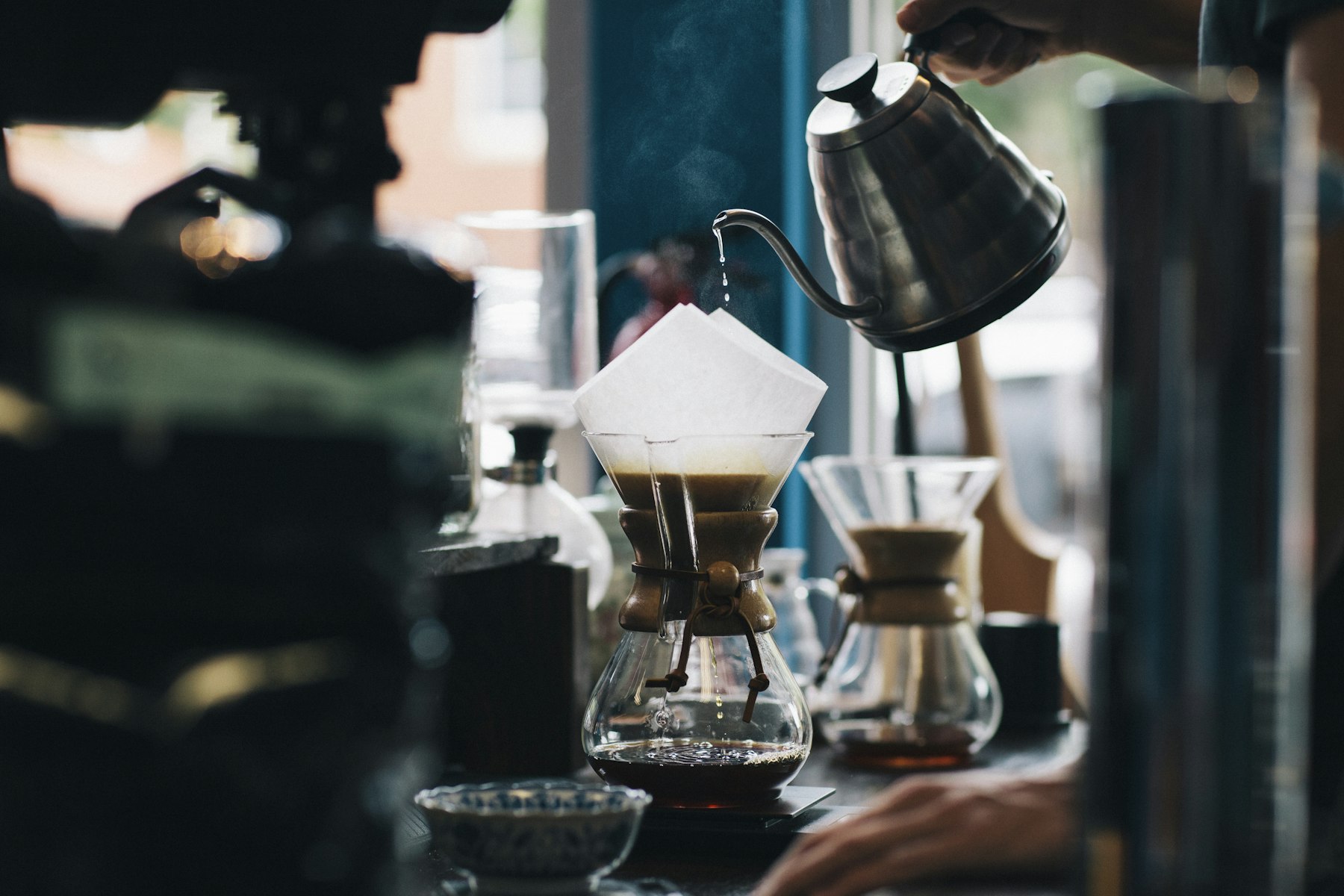
Water "washes" the fruity material from the bean while still moist, producing fully washed coffee. The method behind most Arabica and specialty lots — prized for the best taste in the cup and a bright, shining acidity, at the cost of some body.
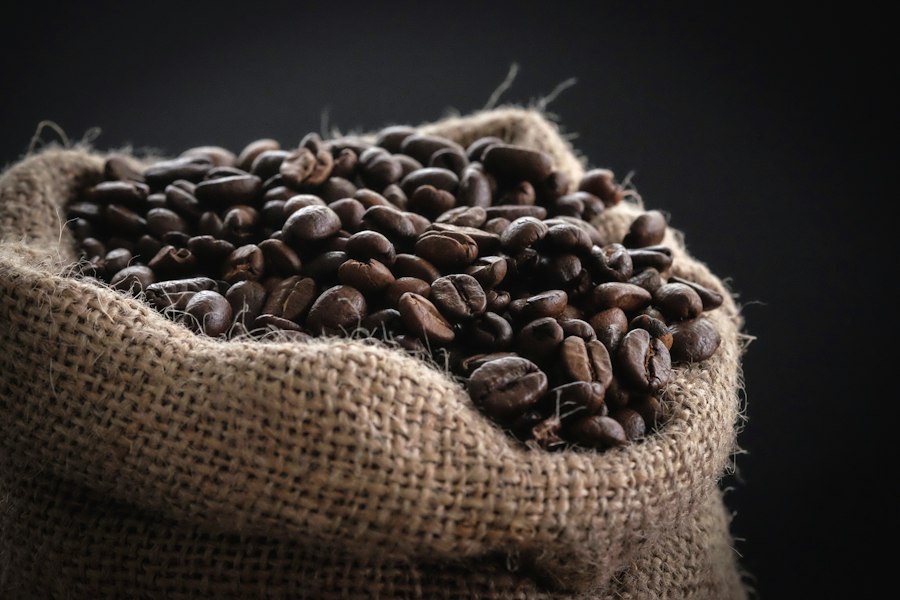
The oldest method: cherries dried whole under the sun with little or no water — ideal where dry-season sunlight is reliable. Almost all Robusta is dry-processed; careful sorting removes unripe, overripe and damaged fruit before hulling.
Sip the Pearl of Africa
Ask for samples, pricing or private-label options — our export team replies within one business day.
Contact Us